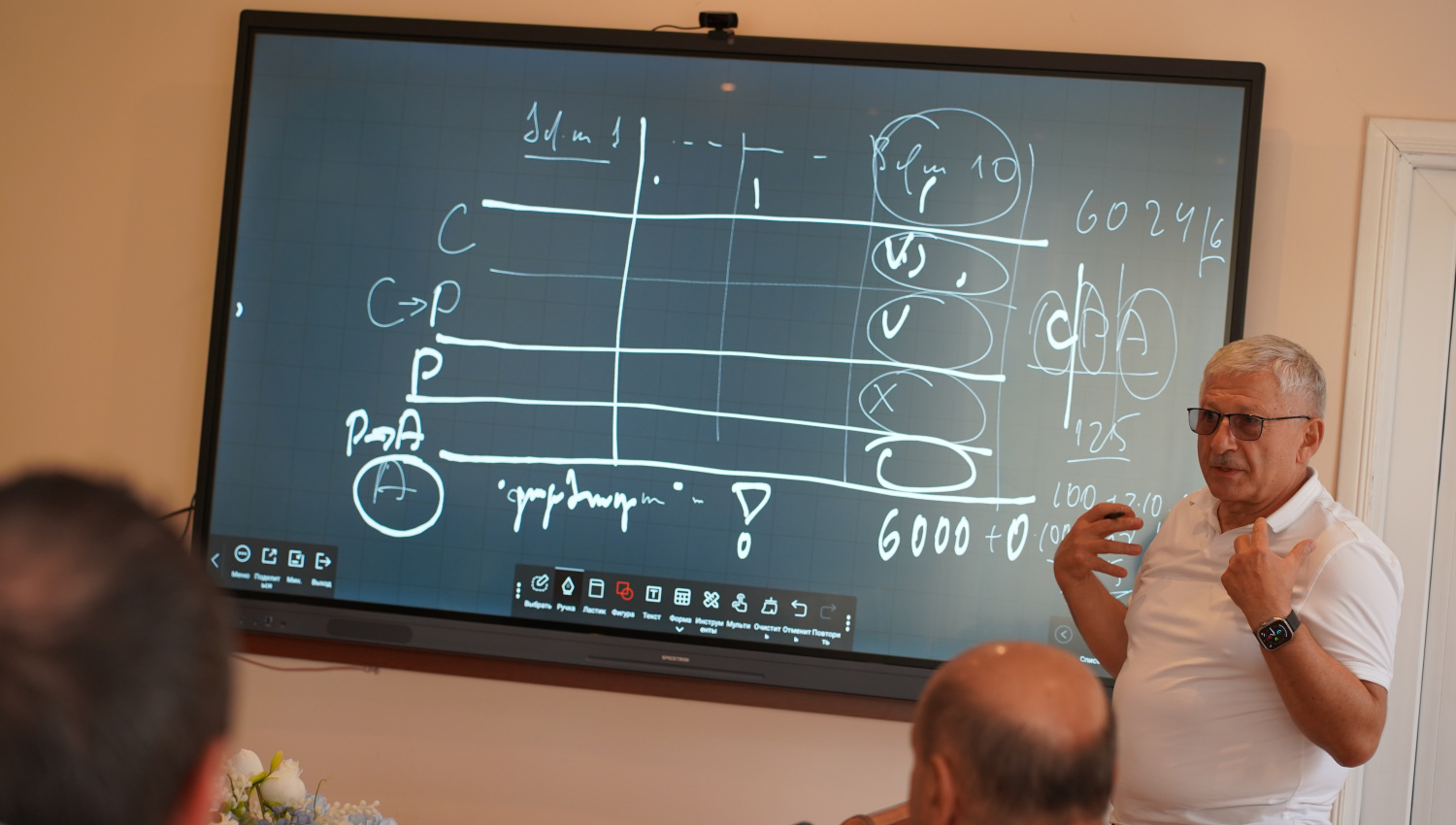
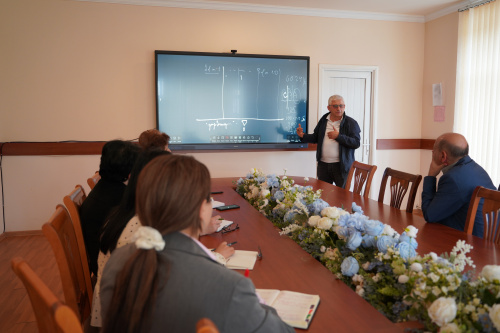
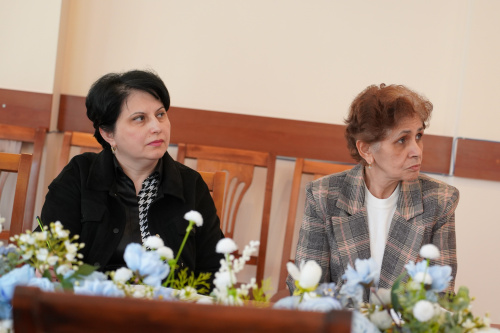
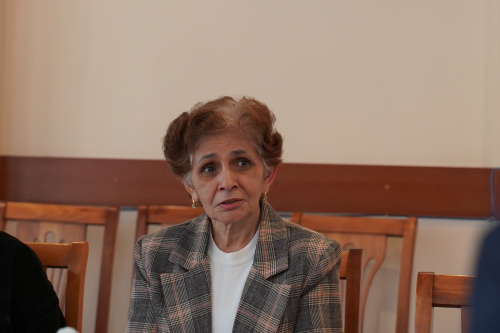
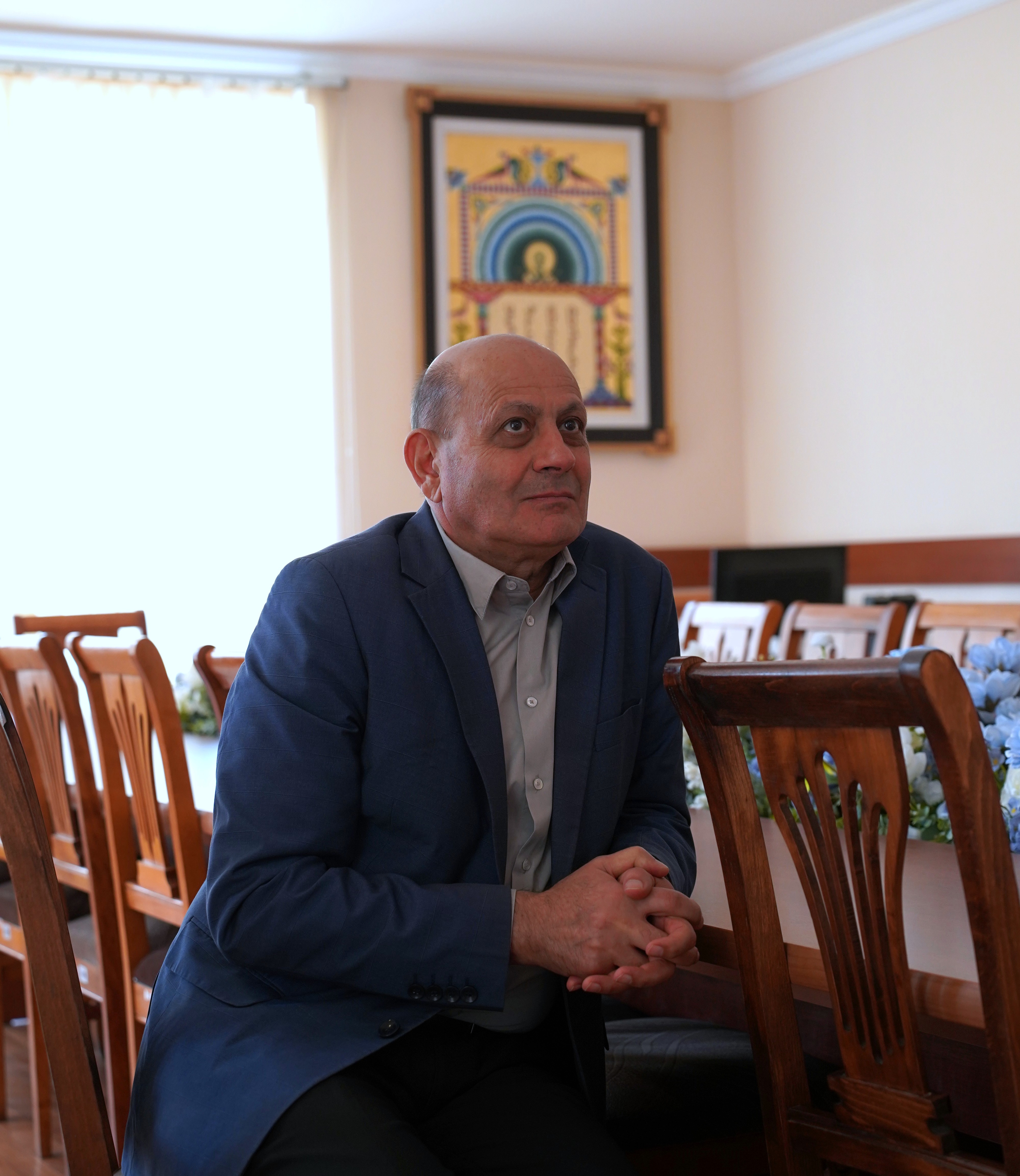
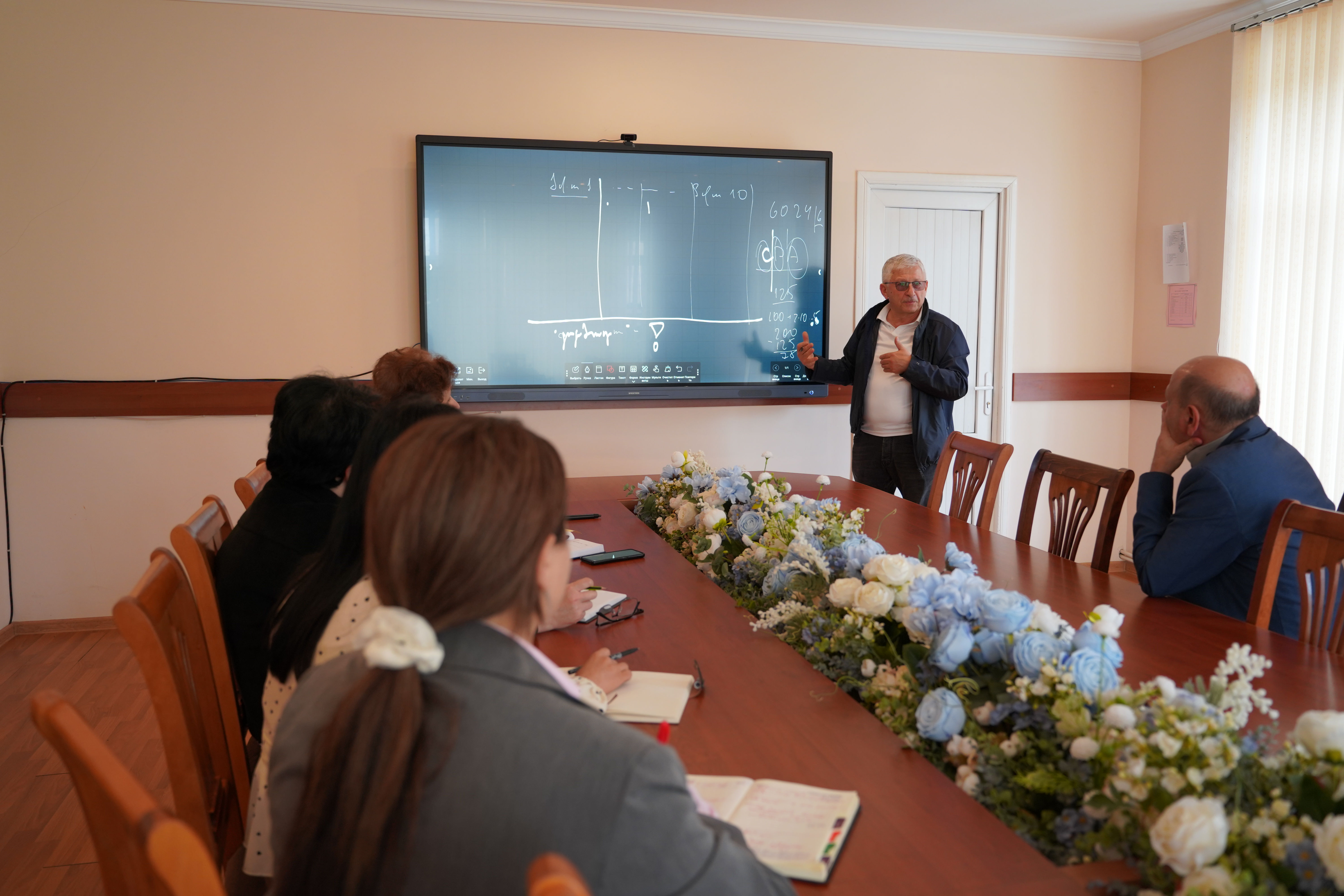
On October 3, 2026, the Educational Reforms and Quality Assurance Department staff of YSU Ijevan Branch met with R. Topchyan, Director of the National Center for Quality Assurance of Armenia.
The meeting focused on a modern approach to improving academic programs: a new multi-level system for formulating program learning outcomes, mapping them, assessing them, and selecting appropriate teaching methods to achieve them, as well as the potential implementation of this system within the branch's academic programs.
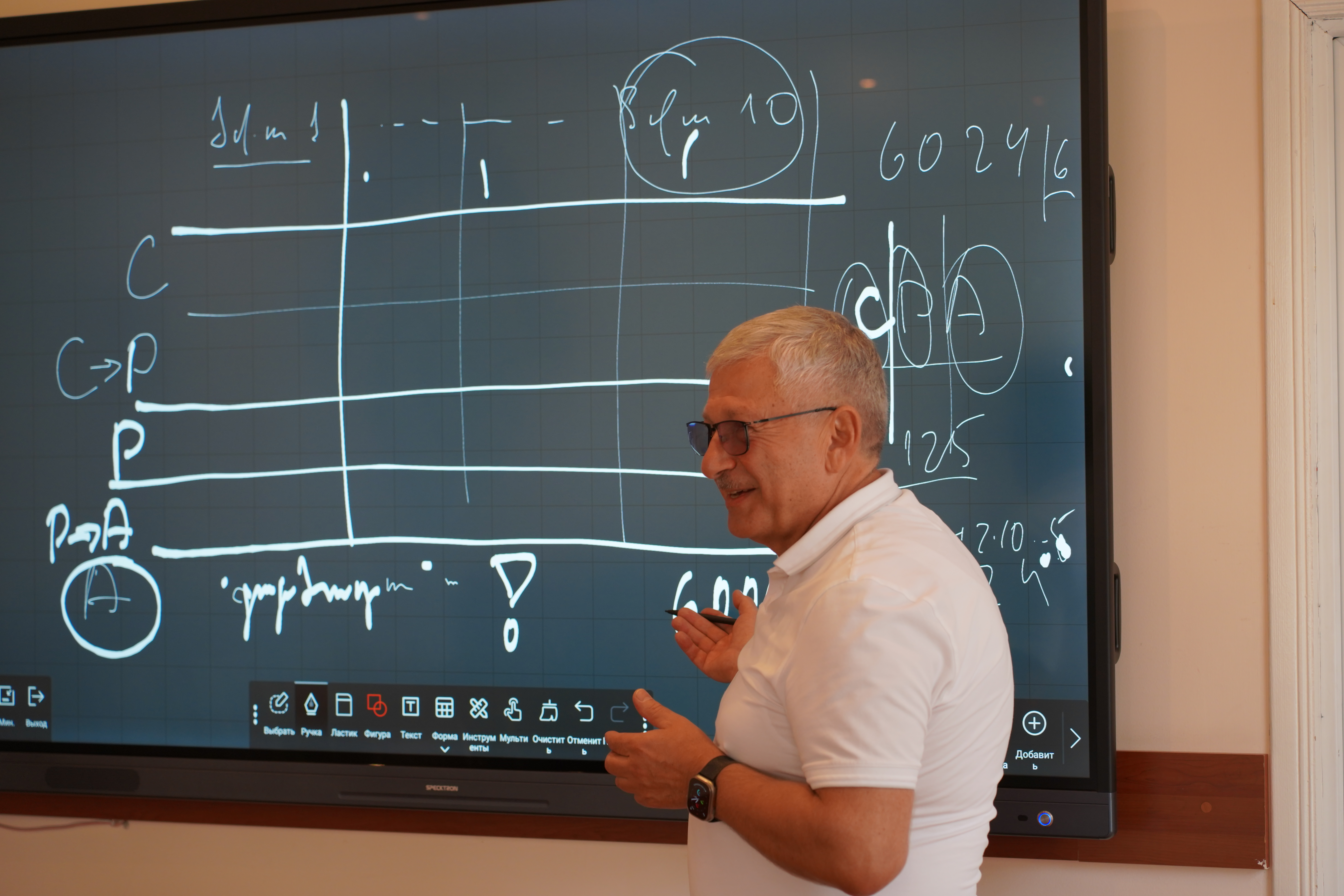
The learning outcomes map illustrates the connections between the academic program, individual courses, and other components of the educational process; its purpose is to determine whether the competencies expected of students by the end of the program are genuinely being developed and assessed within the program's framework. At the same time, the map must illustrate the pathway to developing a specialist who meets employer requirements.
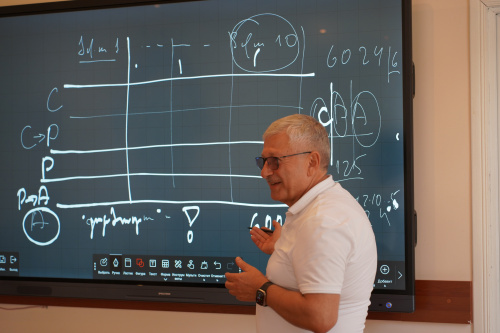
Mr. Topchyan presented a modern approach to organizing student learning from the first year through to graduation—covering the formation of learning outcomes, the logical interconnection of courses, and the assurance of horizontal and vertical alignment—while demonstrating these elements on the map in a manner that is as visible and well-substantiated as possible. He provided a detailed explanation of the logic and content behind horizontal and vertical alignment, outlined the key information and processes involved, and shared his perspectives on the process and its resulting outcomes. In particular, it was noted that horizontal alignment allows for demonstrating the connections between various courses, modules, and activities at the same educational level or stage of study. This process should provide answers to several key questions—for instance, whether courses within the same semester complement one another, whether there is unnecessary content repetition, and whether there are intended learning outcomes that are not actually being developed at that specific stage.
Vertical alignment is intended to illustrate the progression of a specific learning outcome’s development over time, reflecting the incremental advancement defined by Bloom’s Taxonomy.
Mr. Topchyan presented the logic of the CPA (Concrete, Pictorial, Abstract) method regarding the development of student learning outcomes, explaining how a student's progress can be visualized through the outcome mapping process. It follows a logic of the gradual construction of learning, outlining the student's actions at various stages of the learning process and guiding them from concrete objects toward abstract thinking.
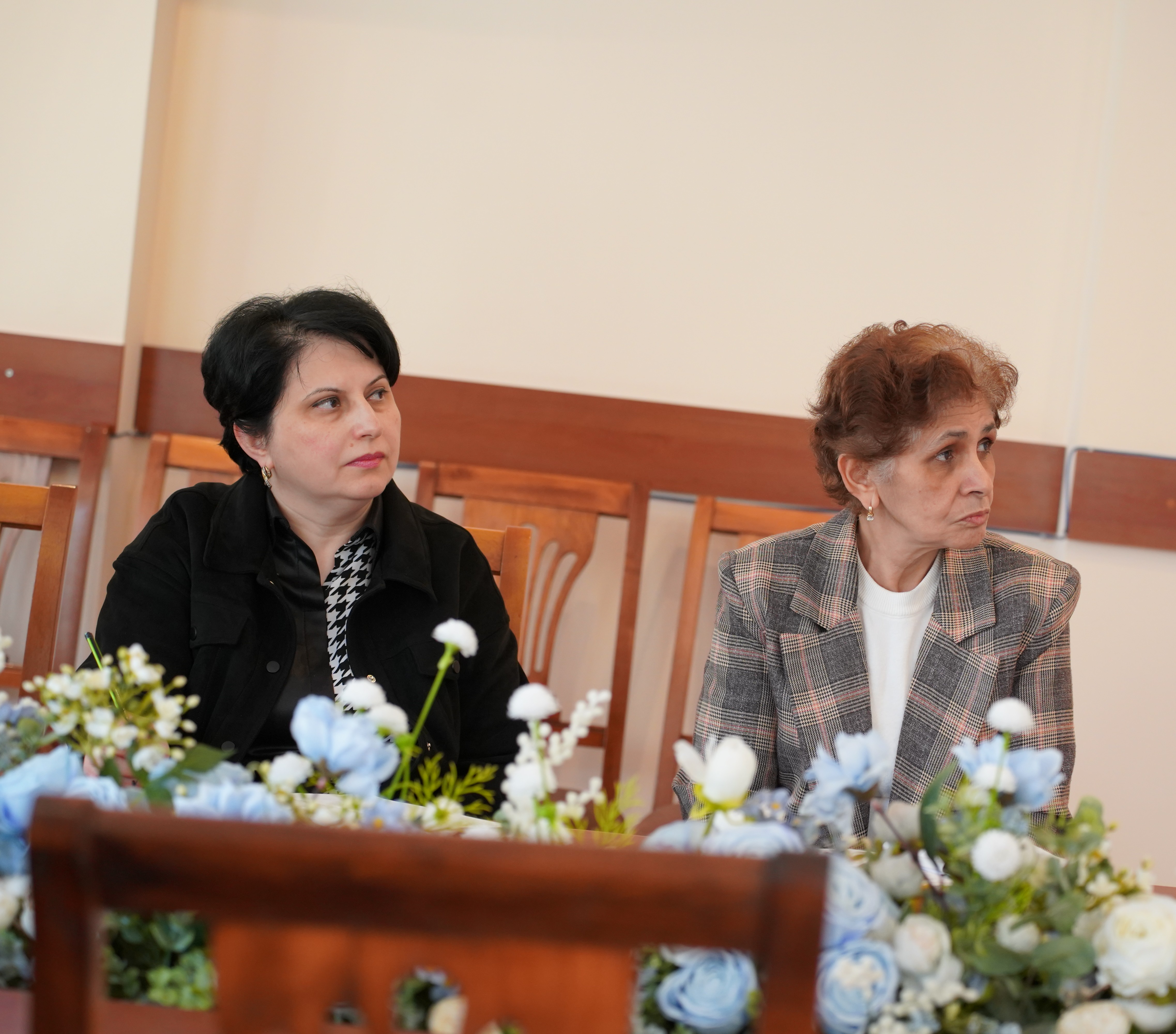
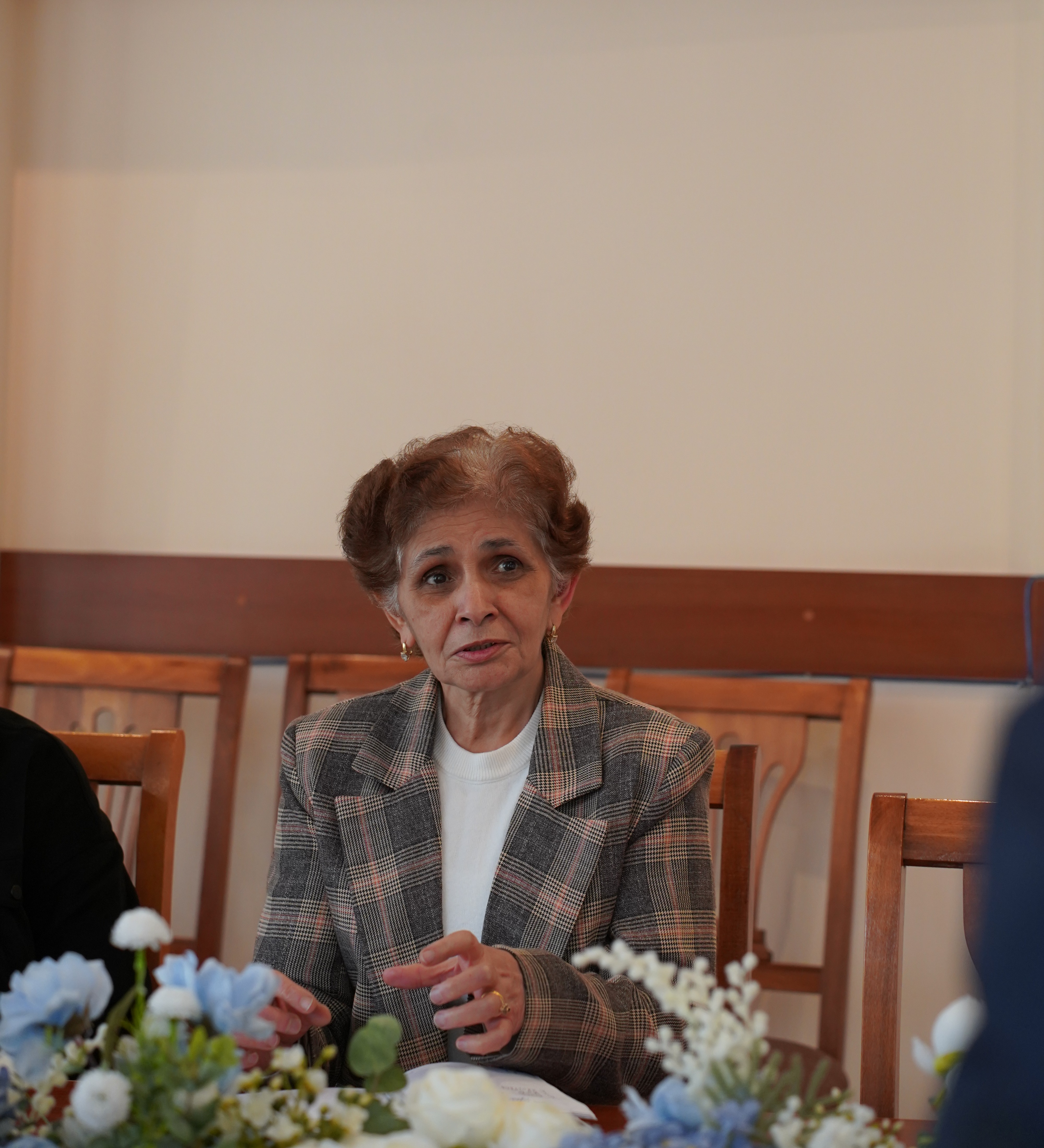
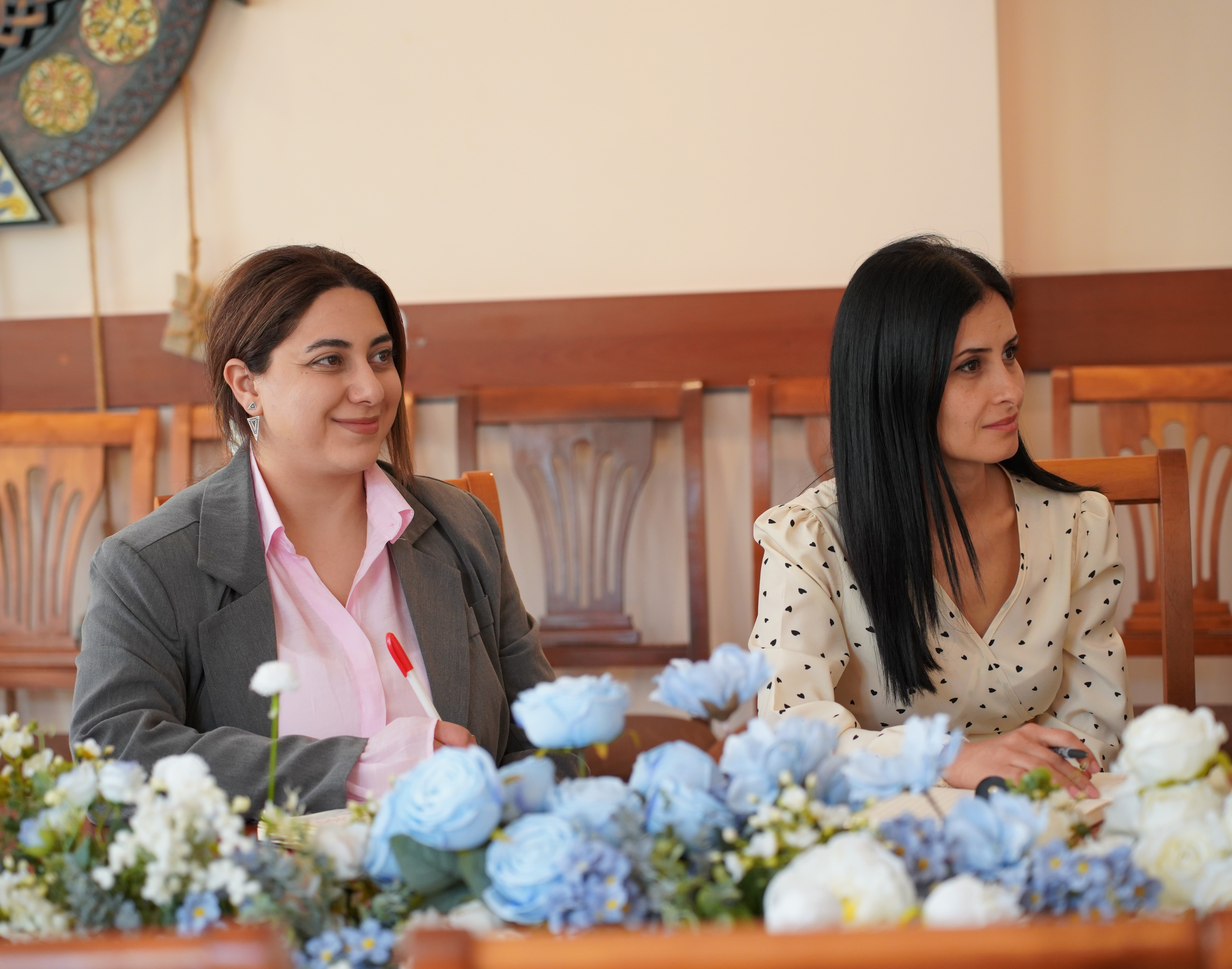
The meeting was marked by active and engaging discussions. Mr. Topchyan proposed considering the integration of these approaches into the branch's educational programs during the process of mapping learning outcomes; this would simultaneously enable a more robust and evidence-based self-analysis for the accreditation of the educational programs.





Spread the article