Միջոցառումներ
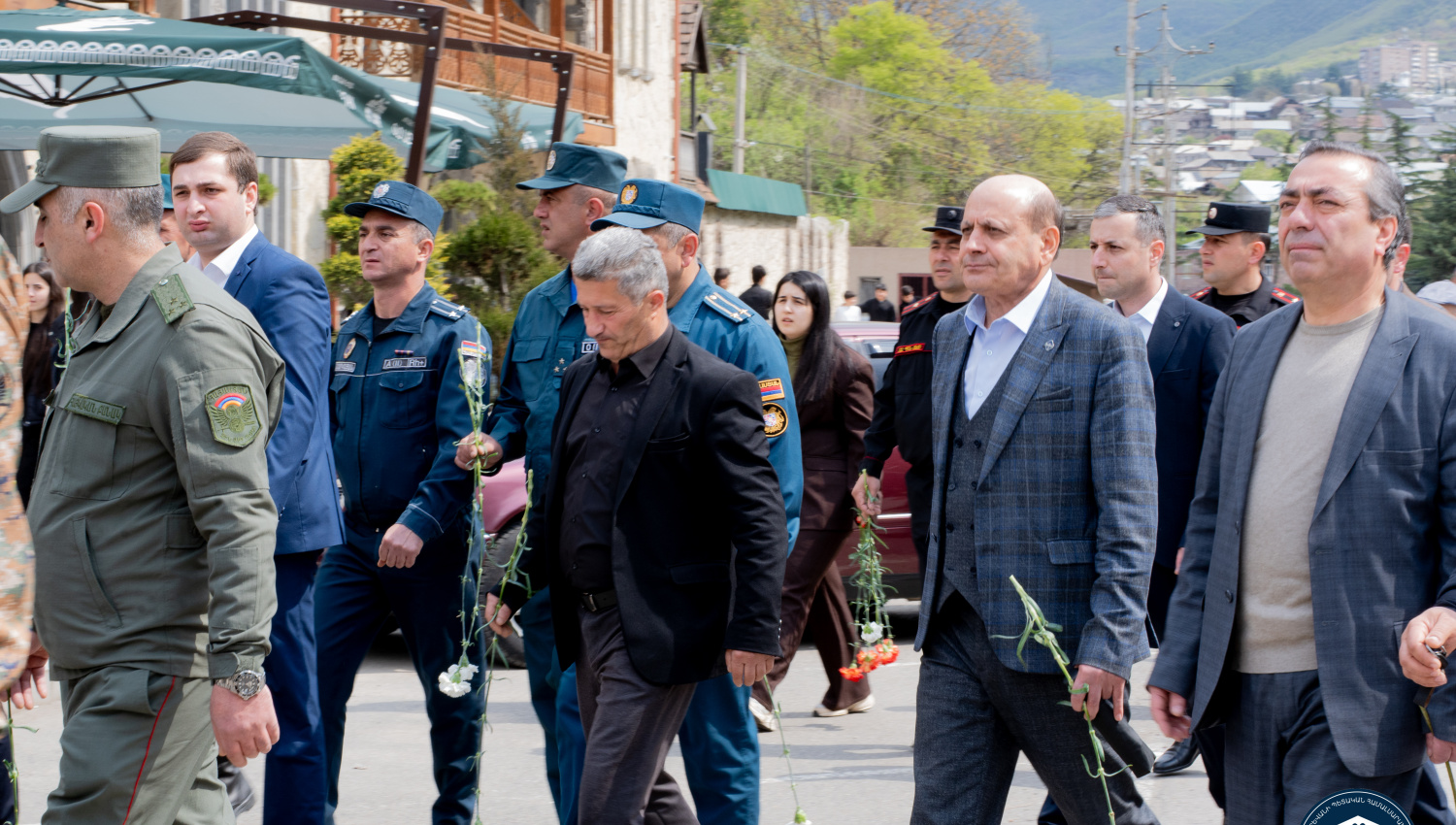
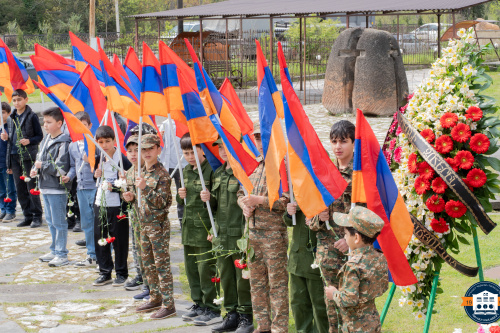
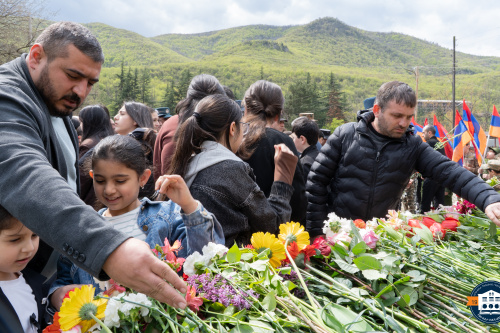
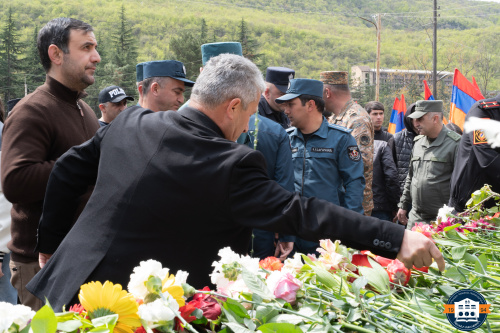
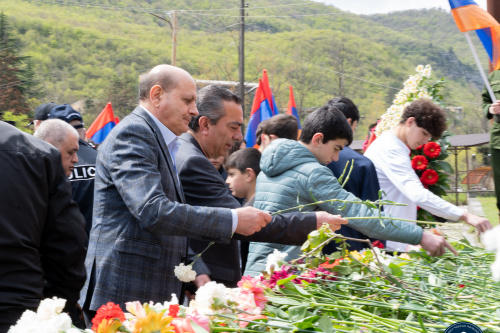
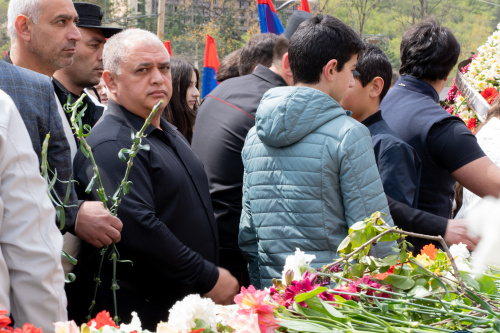
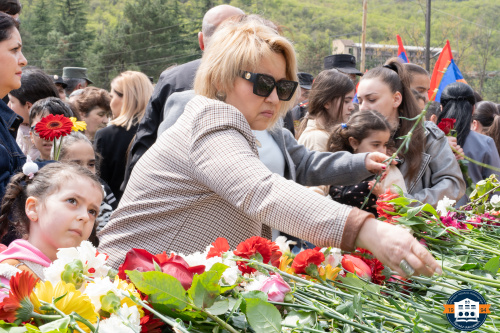
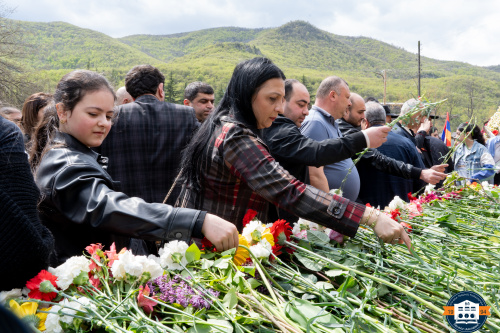
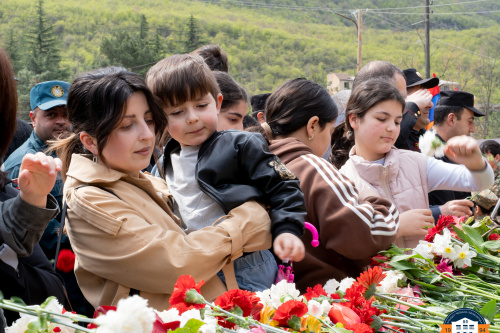
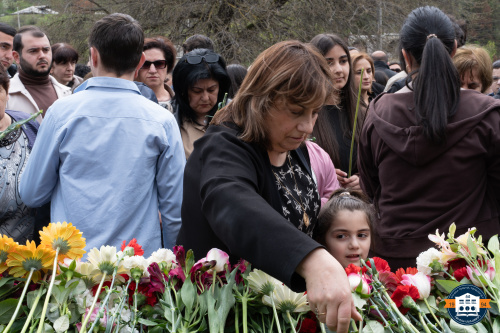
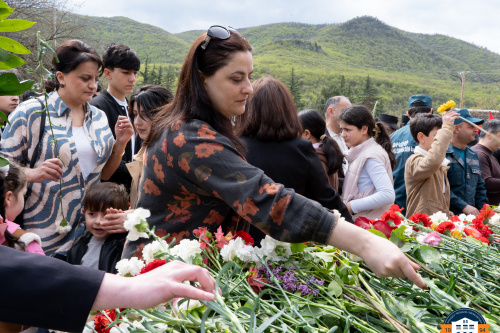
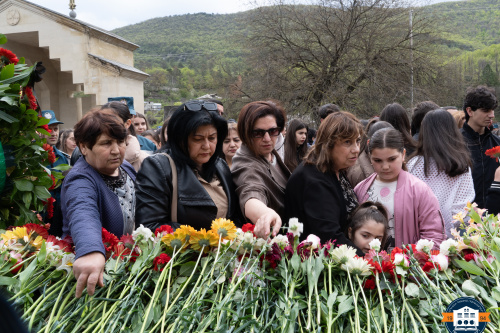
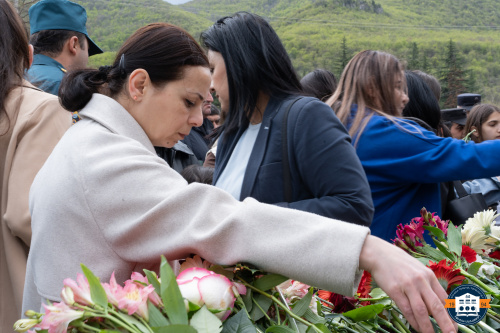
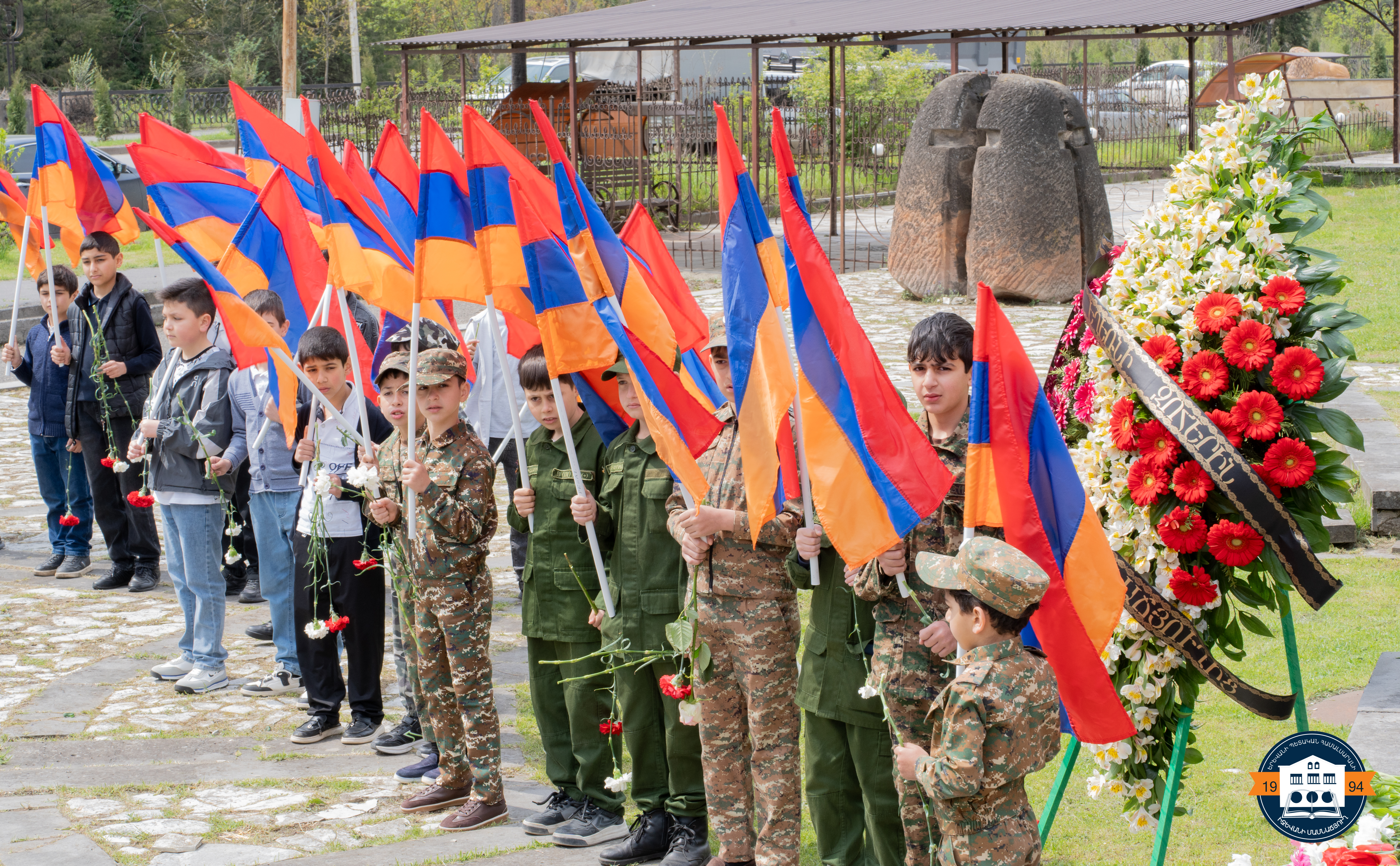
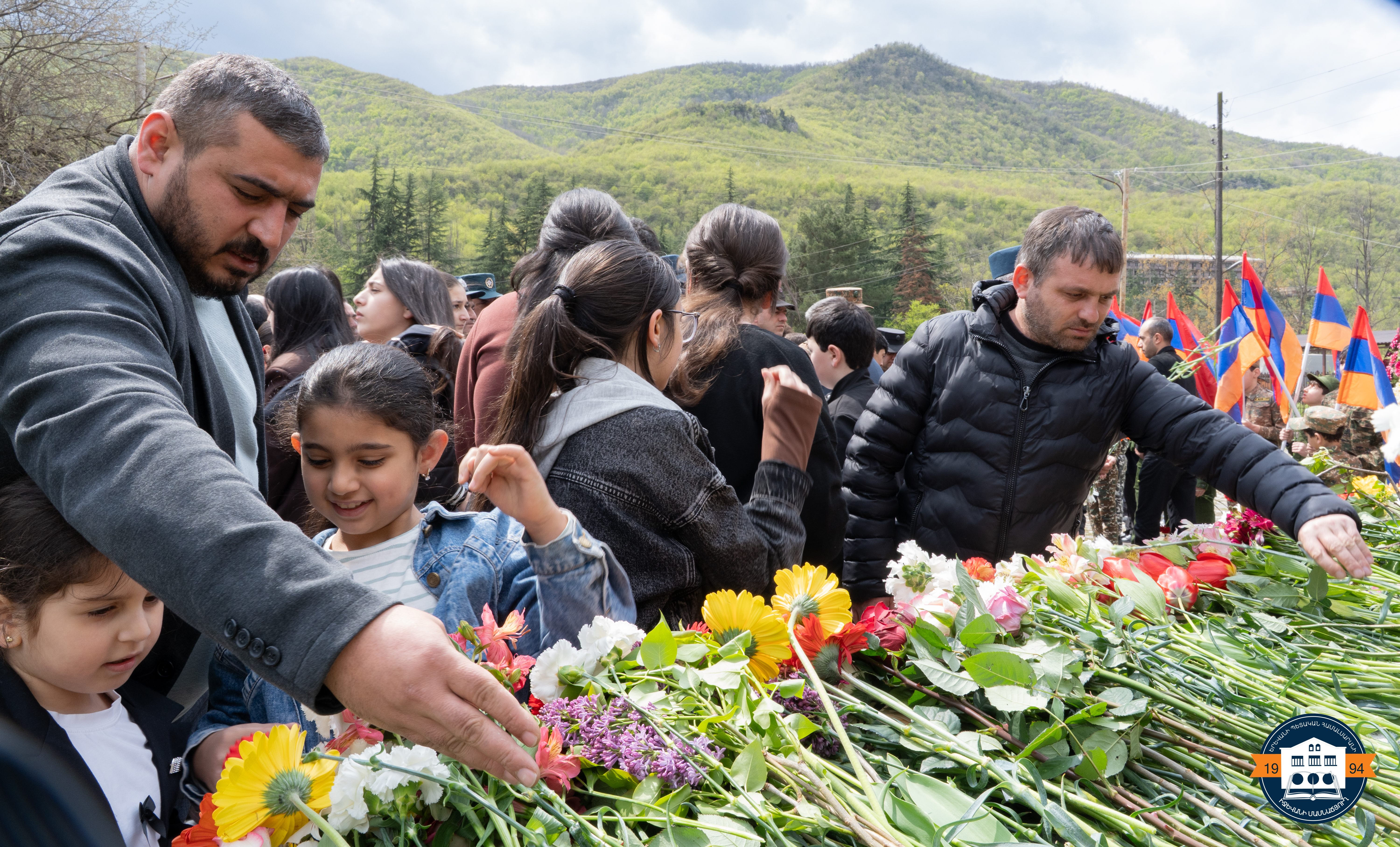
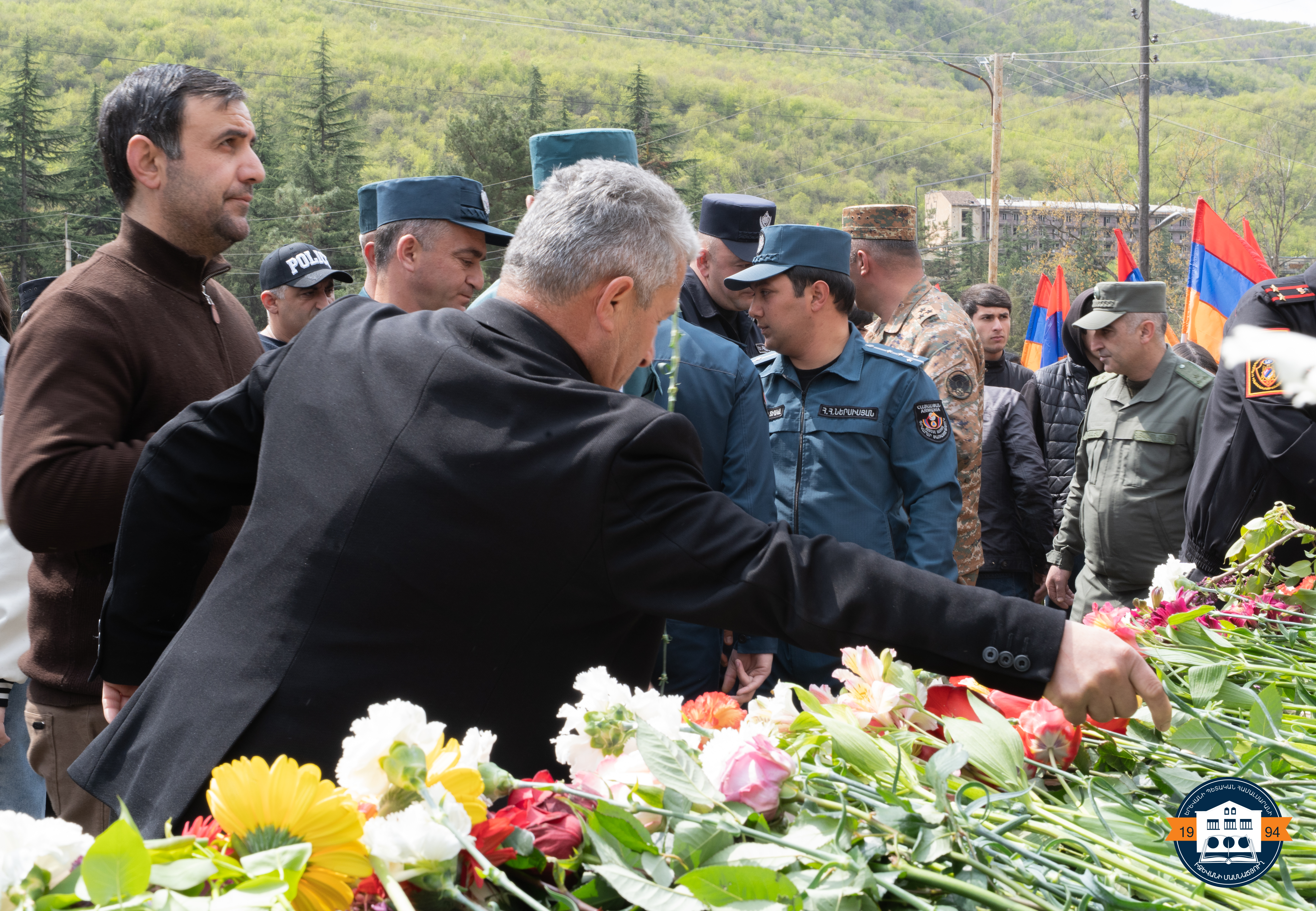
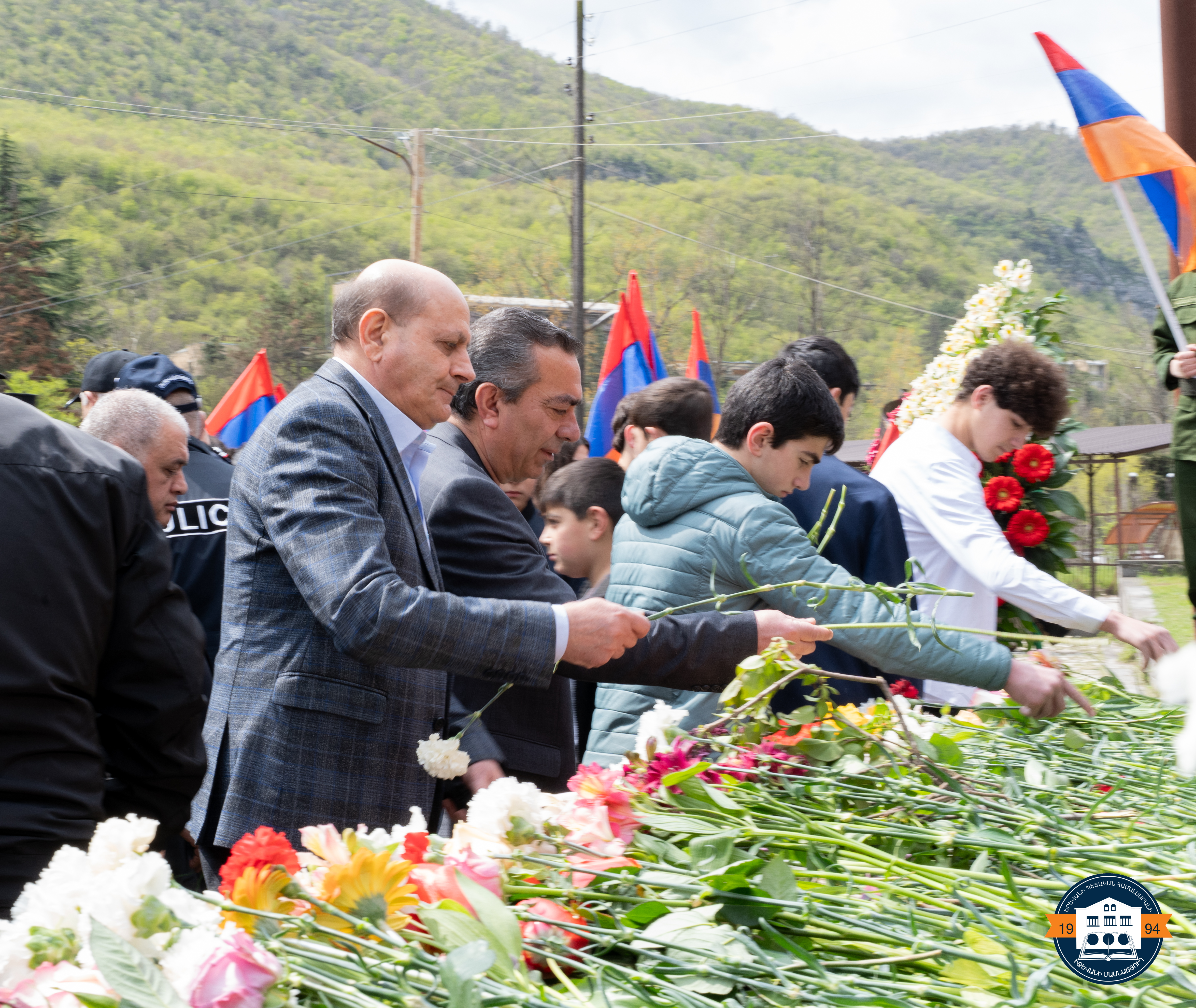
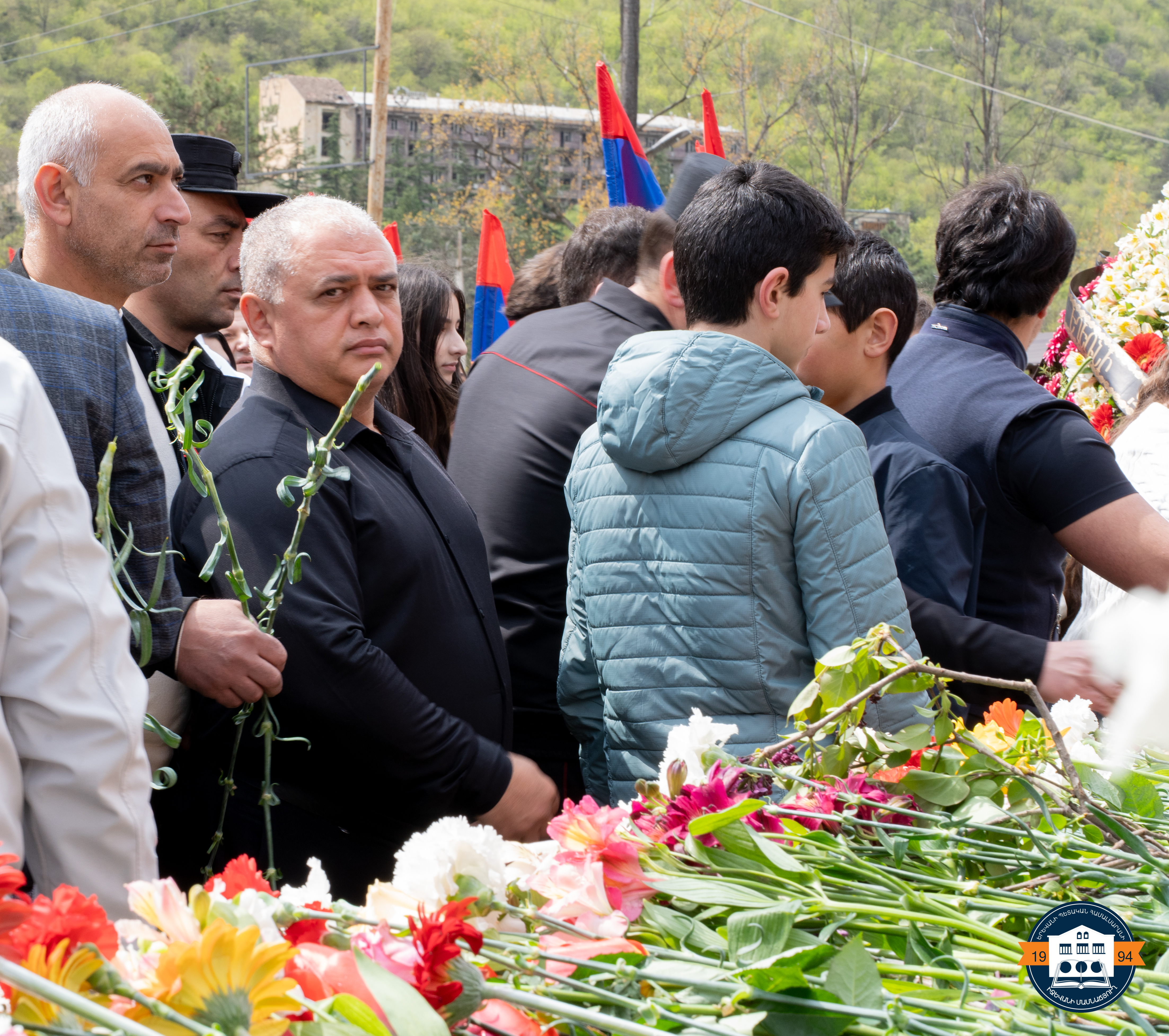
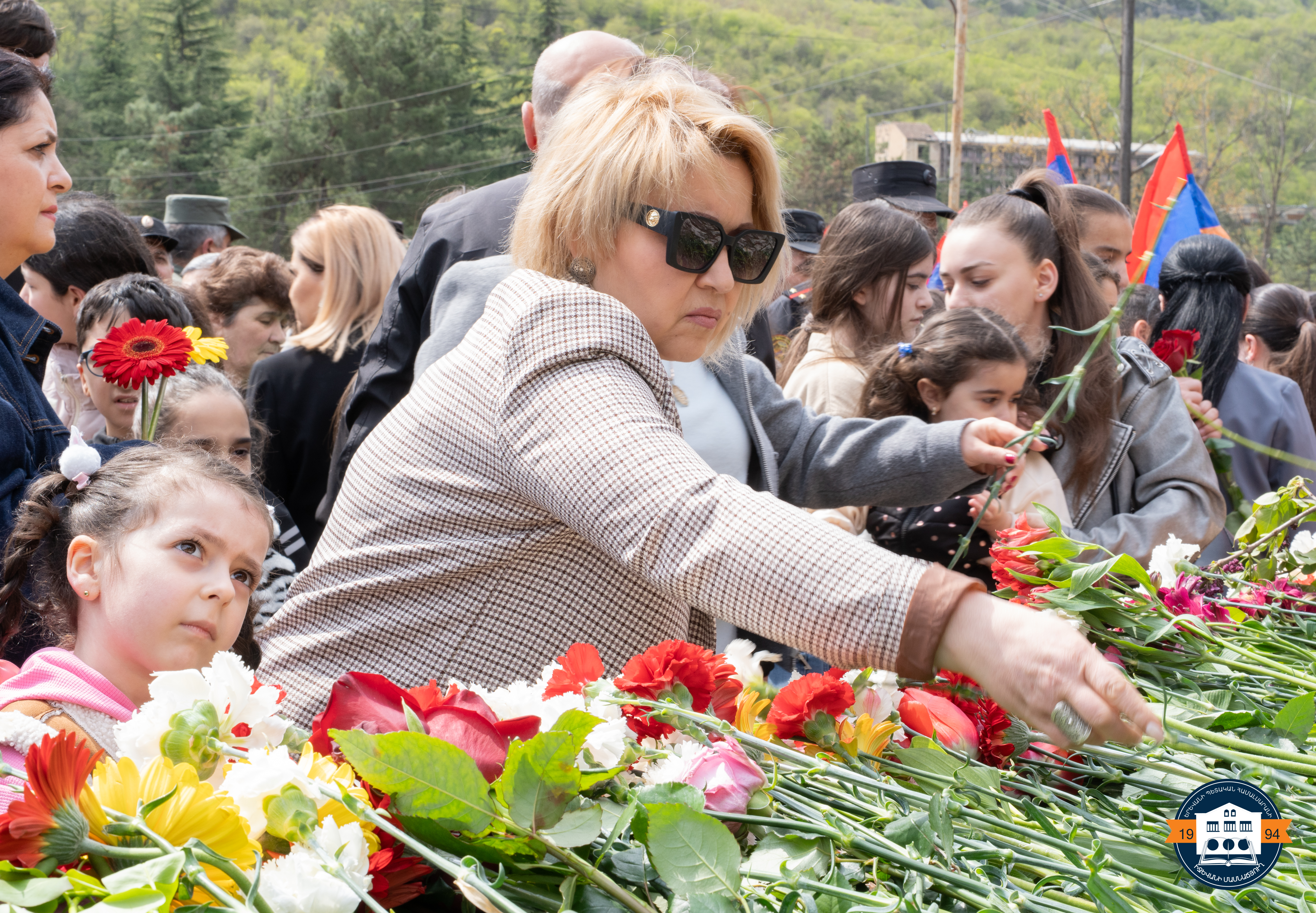
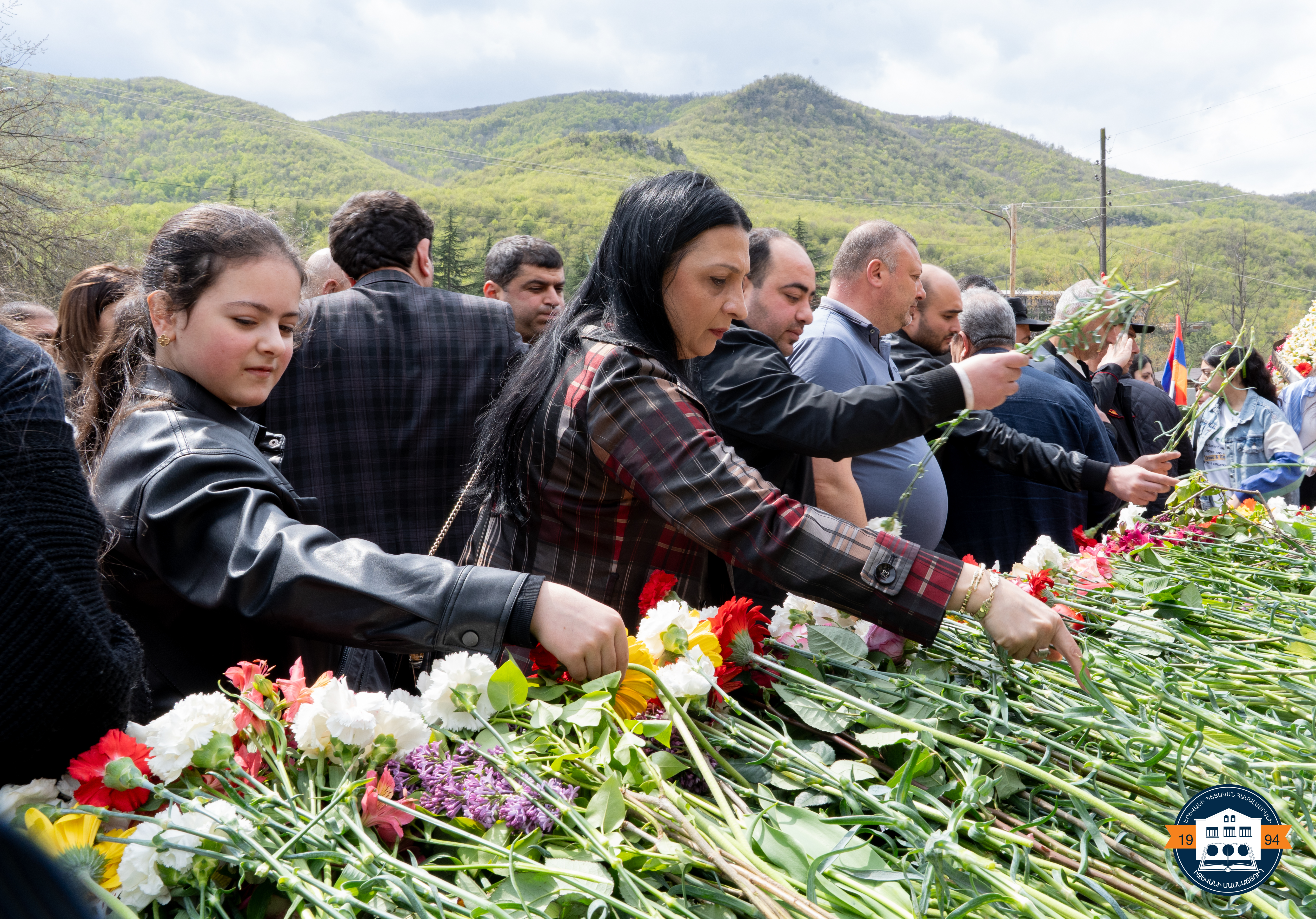
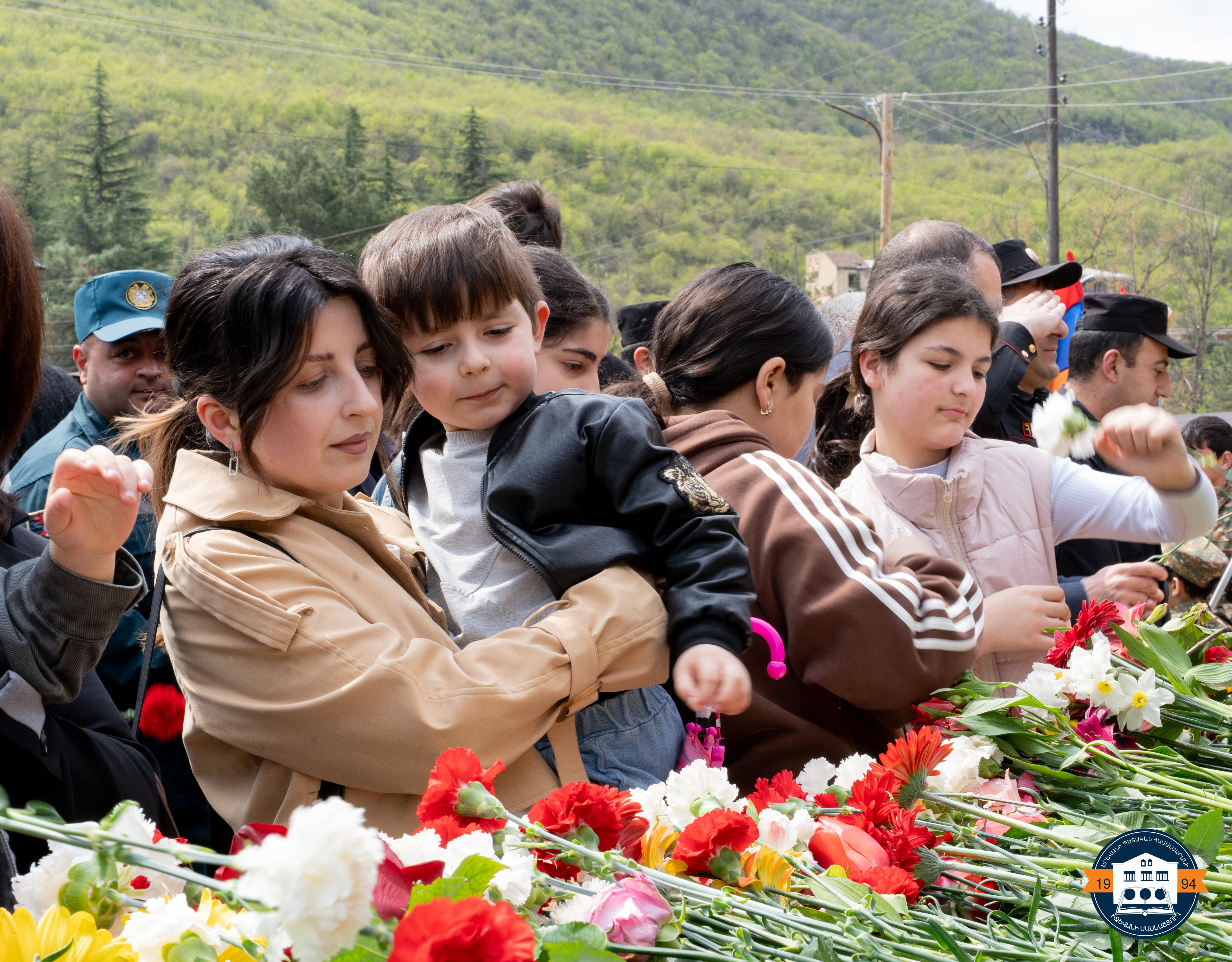
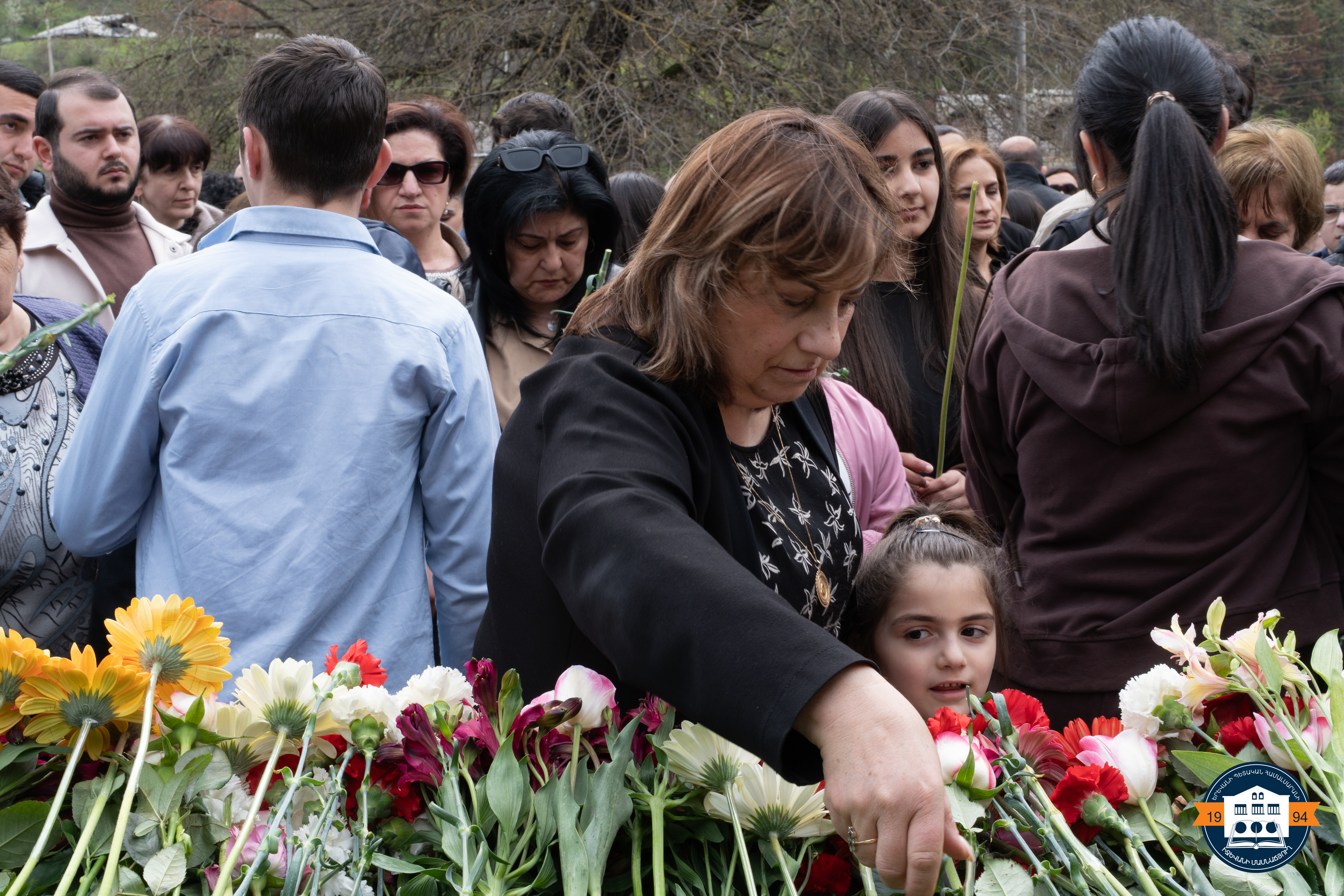
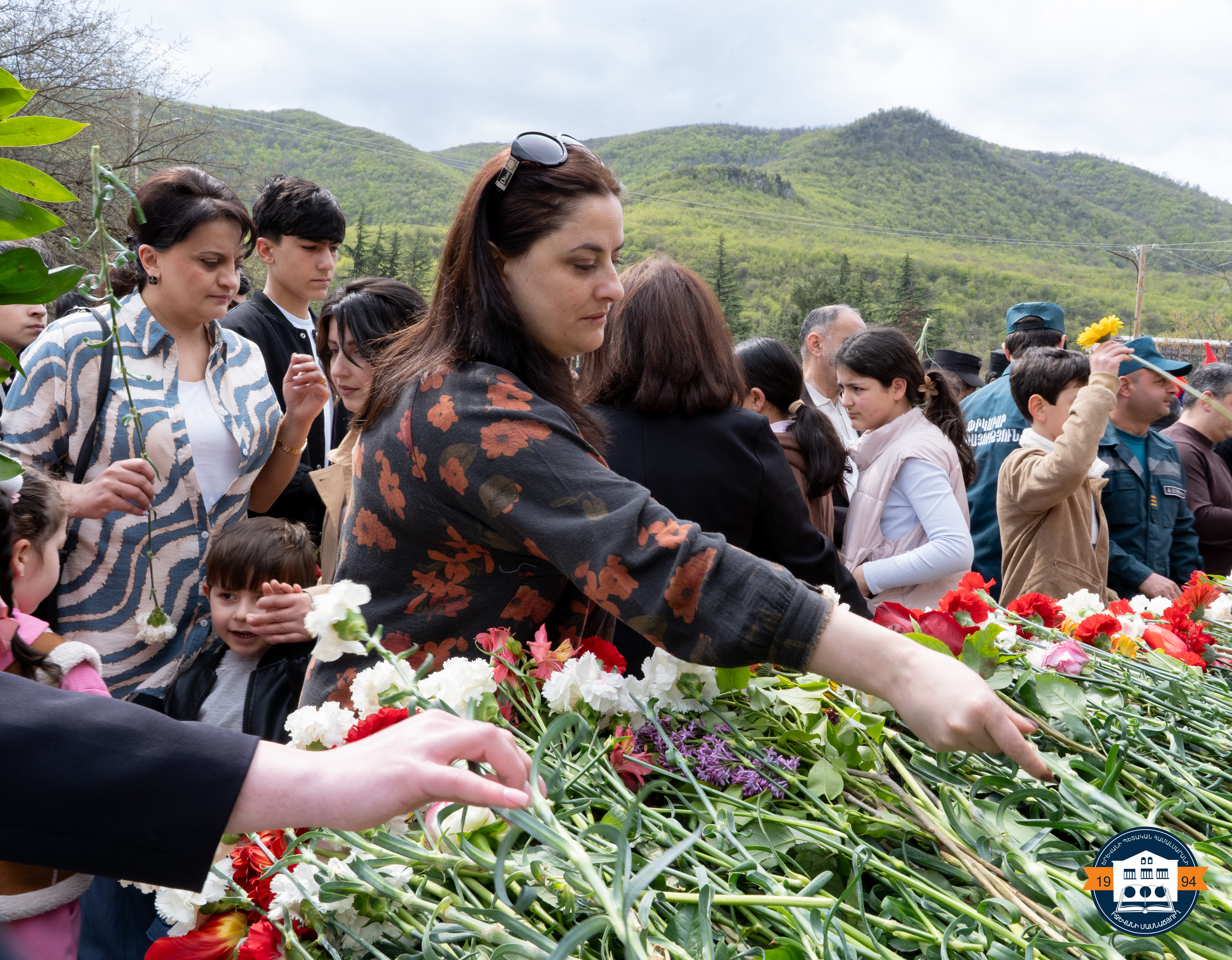
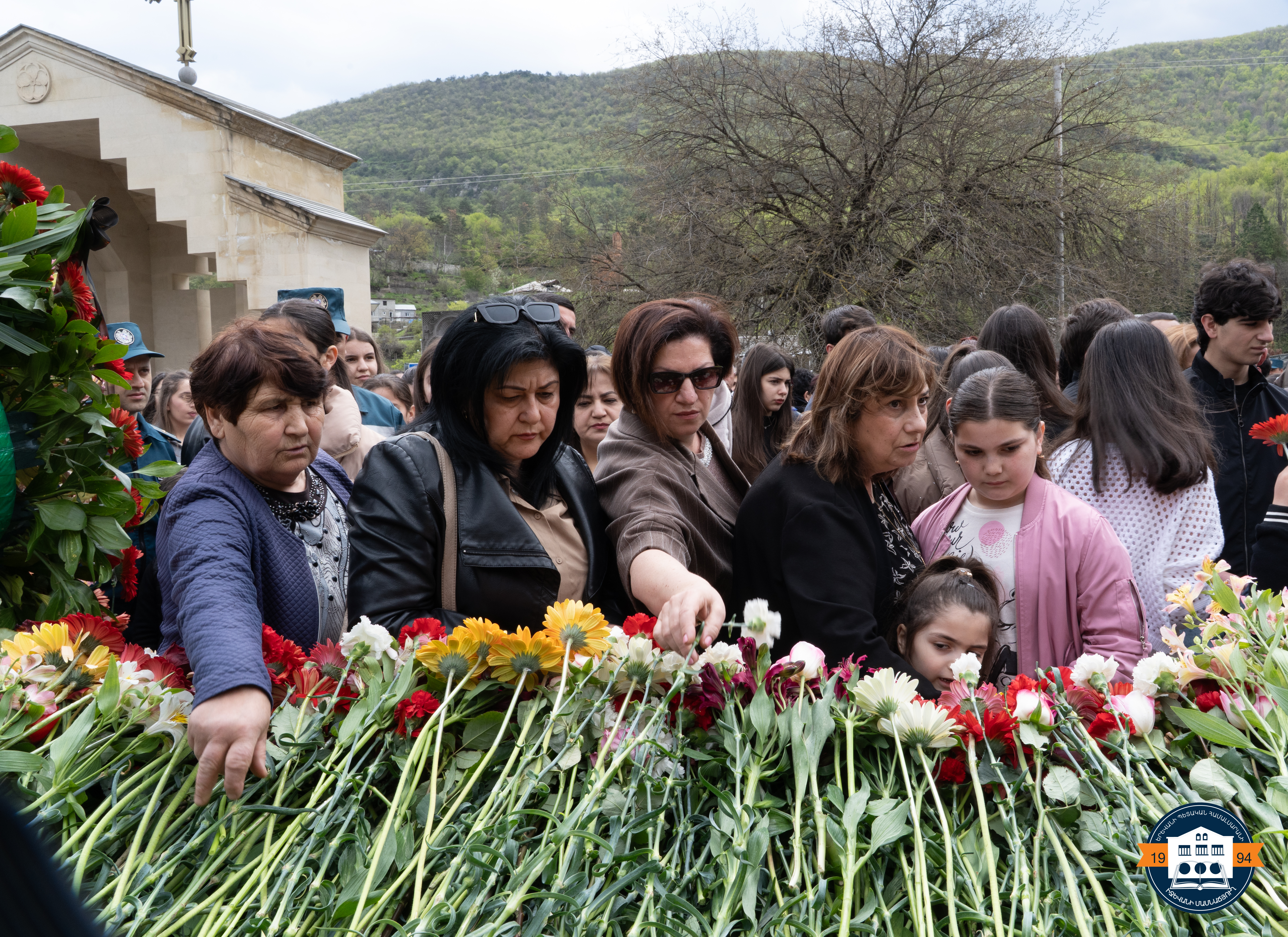
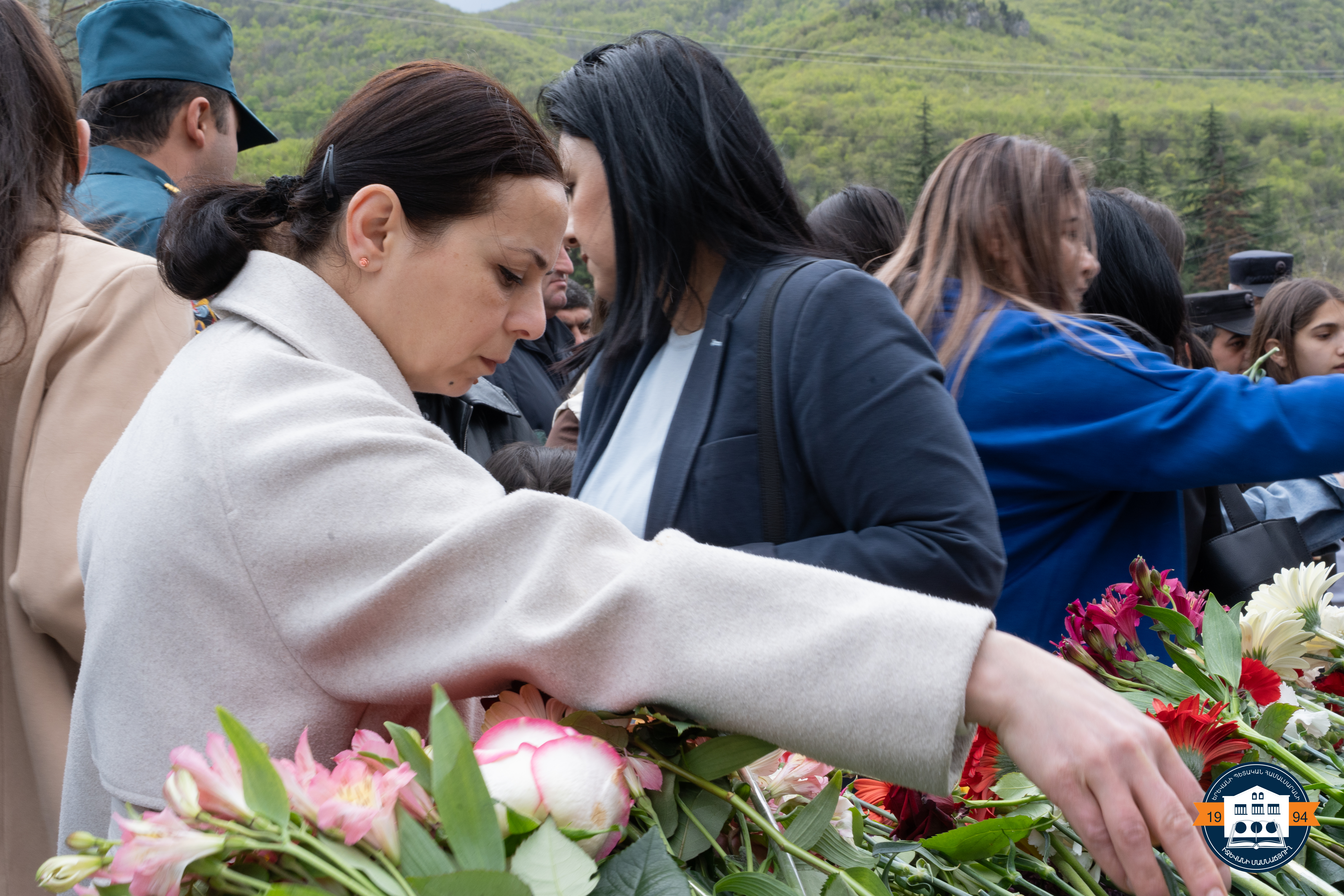
On April 24, 2026, university staff paid tribute to the memory of the holy martyrs of the Great Genocide at the memorial complex dedicated to the victims of the Armenian Genocide installed in Ijevan.
Օսմանյան կայսրությունում ապրող հայերը 1915-1923 թթ. ենթարկվեցին երիտթուրքական կառավարության կողմից ծրագրված և իրականացված աննախադեպ զանգվածային ոճրագործությունների՝ դաժան սպանությունների, բռնարարքների և բռնի տեղահանության:
Armenians living in the Ottoman Empire from 1915 to 1923 were subjected to unprecedented mass crimes planned and carried out by the Young Turk government: brutal murders, rapes, and forced deportations.
The beginning of the Great Genocide is conventionally considered to be April 24, 1915. On that day, the cream of the intelligentsia was arrested in Constantinople: 600 Armenian intellectuals, including Grigor Zohrap, Daniel Varuzhan, Ruben Zardaryan, Siamanto (Atom Yarchanyan), Ruben Sevak, Yerukhan (Yervand Srmakeshkhanlyan), Hovhannes Harutyunyan, and others, who were later killed on the way to exile. However, in Armenian historiography, it is customary to consider the years 1892-1923 as the Armenian Genocide. As a genocide organized by the Turkish ruling regions, the Hamidian Turkey, then the Young Turk government, as a result of which the Armenian population of Western Armenia, Cilicia and the provinces of the Ottoman Empire was subjected to mass deportation and extermination. The 12 stone monuments of the Tsitsernakaberd monument, according to folk etymology, symbolize the 12 lost provinces, which are now part of modern Turkey.
The Young Turk government, striving to preserve the remnants of the weakened Ottoman Empire, adopted a policy of pan-Turkism, namely the creation of a huge Turkish Empire, which, extending to China, would include all the Turkic-speaking peoples of the Caucasus and Central Asia. The program envisaged the Turkification of all national minorities and the creation of the dreamy “Great Turan” from the Bosphorus to Altai. In this context, the indigenous Armenian people of Western Armenia were seen as the main obstacle to the implementation of this program. Without Armenians, there would be no Armenian Question. The Young Turks used the beginning of World War I as a convenient opportunity. The authors of the program were Talaat (Minister of Internal Affairs), Enver (Minister of Military Affairs), Cemal (commander of the Palestine Front), Behaeddin Şakir Bey (member of the Young Turk Central Committee) and others.
The Armenian Genocide was planned to be carried out in three stages, the first stage of which was on April 24, and the second stage was the conscription of about 60,000 Armenian men into the Turkish army. All Armenian men between the ages of 15 and 45 who were conscripted into the army were later disarmed and killed by their Turkish comrades. In the third stage, the Turkish massacrers began to massacre the defenseless Armenian population, mainly women, the elderly, and children. Mass deportations, exiles, and massacres were organized. Armenians were either forced to renounce Christianity, killed, or forced to flee. The surviving Armenians of Western Armenia were deported to the deserts of Mesopotamia, mainly to Deir ez-Zor, where they were exterminated.
The Armenian Genocide has been condemned by the international community at various levels. It was adopted by organizations such as the Council of Europe in 1998, 2001, the European Union in European Parliament resolutions, the Armenian Genocide was condemned in 1987, 1998, 2000, 2001, 2002 and 2005 by several UN commissions, the World Federation of Churches, etc. The Swedish Parliament, the US House of Representatives, the Senates of Chile and Argentina, the Lithuanian Assembly, the European Parliament, the National Assembly of Venezuela, the parliaments of Poland and the Netherlands, Italy (April 10, 2019), the House of Commons of Canada, etc.
In France, Uruguay, Cyprus, in the form of laws, and in Switzerland, its denial is also criminally punishable. On April 24, 2021, US President Joe Biden also officially recognized the Armenian Genocide, giving a speech and using the term "Armenian Genocide" for the first time.
Images
Spread the article